First responder wellness app

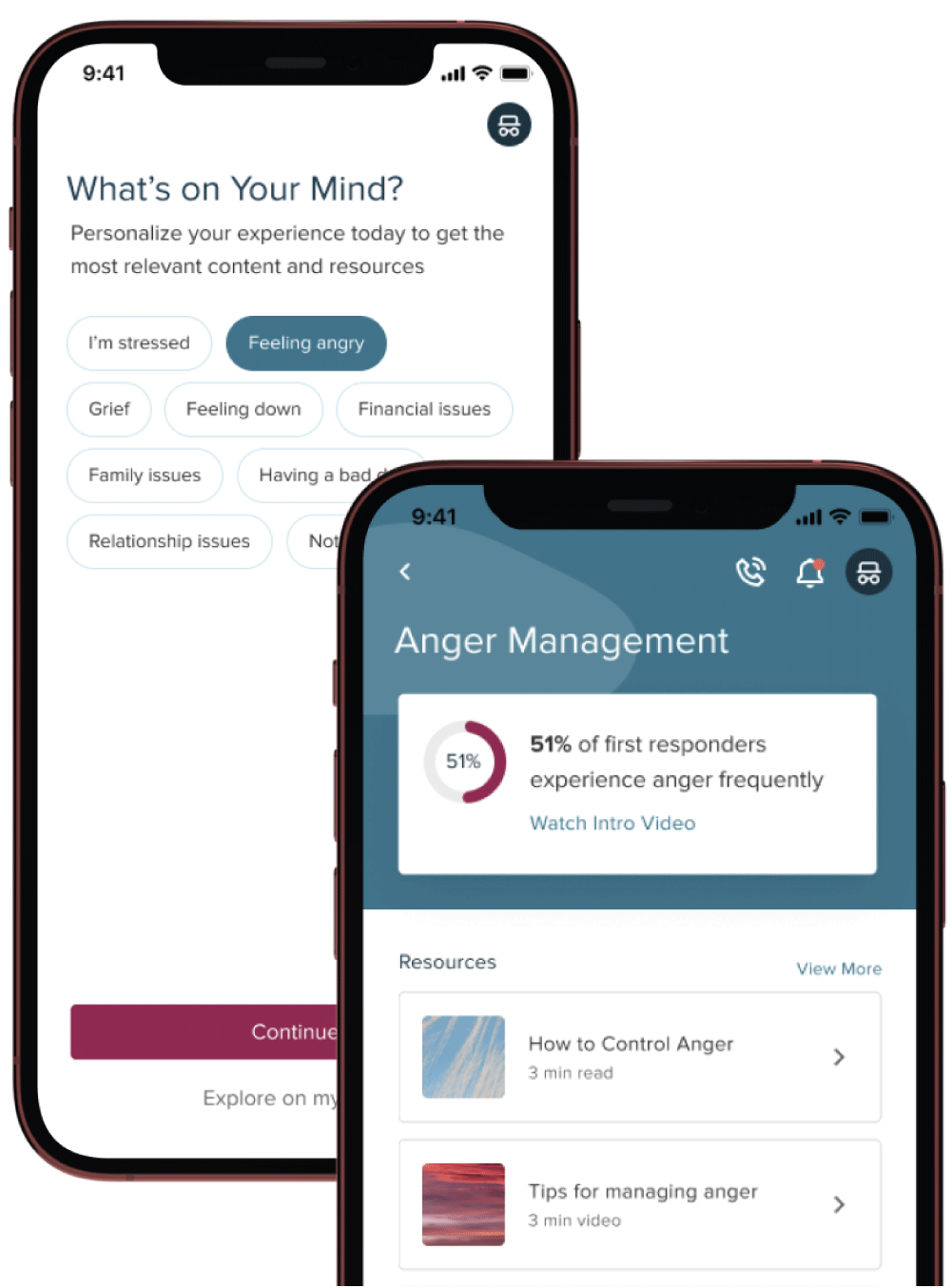
Support your team’s wellbeing and enhance your department’s wellness program with a comprehensive and anonymous mobile app designed specifically for first responders.

powerdms-powerline-iphone-graphic-01-1

Benefits of a first responder wellness app

  • Enhance your wellness program with comprehensive resources
  • Provide anonymous support – anytime, anywhere
  • Reduce burnout by providing responders an outlet to talk to others
  • Improve responder wellbeing with relevant articles and videos
  • Equip your responders with easy access to support
  • Get insights to your department's wellness needs


Support from peers who get it

PowerLine Solutions includes a nationwide network of peer volunteers so you and your responders can connect with someone who shares your unique challenges. The app anonymously matches users with trained peer volunteers based on industry, location, rank, and experience. Talk to someone who gets it.

powerdms-powerline-nationwide-graphic-01
content-library-line-3

Improve first responder wellness

PowerLine breaks down barriers that traditionally prevent responders from getting the support they need. Provide your team with anonymous support at their fingertips – self-assessments, wellness check-in requests, a resource library with content that covers the topics they care about, and more.

Enhance your first responder wellness programs

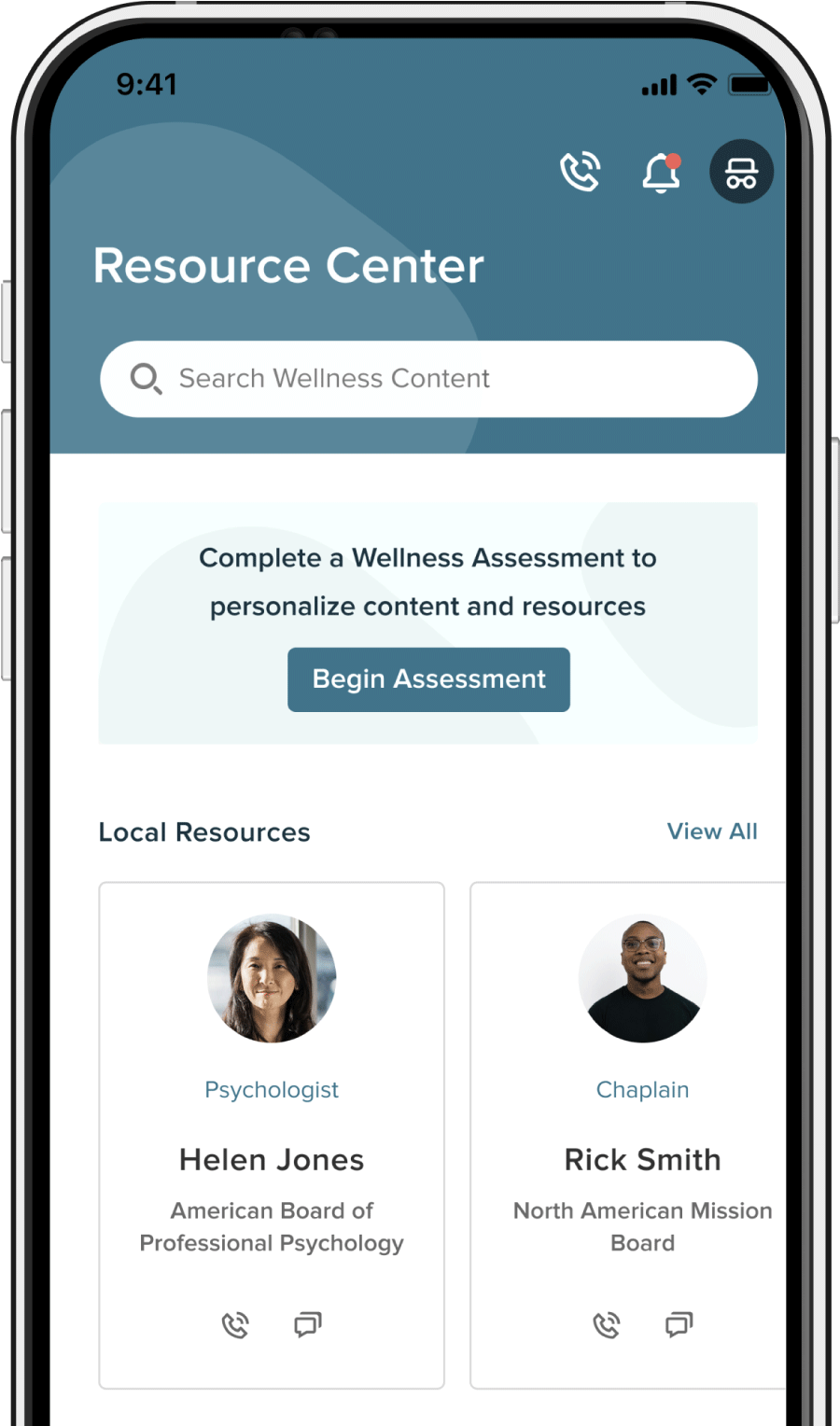
Provide your responders with one convenient place to access support on their own terms. In addition to the in-app tools PowerLine provides, you can also upload your local contacts, peer supporters, and other existing resources to a dedicated place in the app.

resource-center-line
dashboard-3

Empower your agency with anonymized data

PowerLine gives you insight into your agency's top wellness needs through an anonymized admin dashboard. Responders remain anonymous while you collect important data – informing future initiatives and justifying the needs of your program.

Key first responder wellness app features

cellphone text message

Nationwide Network

The only network of peer volunteers that your responders can access anonymously

People Converstation

Group Sessions

Volunteer-moderated group sessions on the topics your responders care about

People Connected

Local Resources

Include existing resources and current peer support contacts all in one place

Book Video

Full Content Library

Videos, articles, and audio resources that address responders' biggest challenges

circle check

Self-Assessments

Results help your responders identify areas where they may need more support

bar graph 2

Measurable Insights

Never connected to users' identities, dashboard data helps identify your agency's wellness needs

Content library designed for responders

  • Sleep optimization
  • Stress management
  • Work-life balance
  • Burnout
  • Anger management
  • Addressing health risks
  • Heart health
  • Happiness
  • Goal-setting
  • Resilience
  • Family support
  • Self-care
  • Wellbeing
  • Physical fitness
  • Addiction
  • Alcohol abuse
  • PTSD
  • Trauma
  • Anxiety
  • Depression
  • Sadness
  • Empathy
  • Compassion fatigue
  • Emotional health
  • Finding therapy
  • Cognitive Behavior Therapy (CBT)
  • Local resources
  • Mindfulness
  • Yoga for first responders
  • Breathwork
  • Career success
  • Minorities in public safety
  • Communication
  • Kindness
  • Neurodiversity
  • Suicide prevention

Top Questions We Get Asked

PowerLine is an anonymous mobile app for responder wellbeing, designed specifically for law enforcement, 9-1-1, fire, and EMS. It provides 24/7 access to peer support, wellbeing resources, and self-assessments, all without judgment, stigma, or risk to your career.

Yes. The app generates random display names and icons so users can never be identified. There’s no login tracking, and all dashboard data is anonymized. Even agency leaders don’t know who’s using it, just how often it’s used and what topics matter most.

Yes. PowerLine supports responders at every level, including command staff. Peer volunteers are matched by rank and experience, so anyone, from a rookie to a chief, can find someone who understands what they’re going through.

Users can:

  • Talk to peer volunteers across the U.S.
  • Explore a wellbeing library (videos, audio, articles)
  • Take self-assessments (e.g., burnout, resilience)
  • View and access local wellness resources

PowerLine enhances, not replaces, your existing programs. You can upload local contacts into the app, making them easier to find. It also fills critical gaps when staff don’t feel comfortable reaching out in person.

PowerLine uses a proprietary algorithm to match responders with trained peer volunteers by rank, title, experience level, and even high-impact call exposure. This ensures they talk to someone who gets it. 

Agency leadership gets anonymized insight into usage trends, most accessed topics, and content feedback. You can’t see who is using the app, but you can see what your team is struggling with and where to invest next.Agency leadership gets anonymized insight into usage trends, most accessed topics, and content feedback. You can’t see who is using the app, but you can see what your team is struggling with and where to invest next.

Yes. You’ll work with an Implementation Consultant to configure your site, upload resources, and launch the app. From there, our support team continues to help with adoption and best practices.

Read more about PowerDMS PowerLine

  • Preventing Burnout in Public Safety: 5 Practical Strategies for Agency Leaders

    Preventing Burnout in Public Safety: 5 Practical Strategies for Agency Leaders

    Burnout is a growing crisis in public safety. First responders work in high-stress environments every day with frequent exposure to traumatic events. Many agencies are understaffed, leading to long hours that disrupt sleep and personal routines – especially with the unpredictability of shift work.

    Article Highlights

    Read More
  • Why Police Early Intervention Systems Are Critical For Officer Wellness

    Why Police Early Intervention Systems Are Critical For Officer Wellness

    Article highlights

    More than almost any other industry, law enforcement officers are repeatedly exposed to traumatic events and stress. These incidents have a cumulative effect over time, often manifesting as burnout, anxiety, depression, PTSD, and even suicide.

    When you add increased workloads and understaffing to the equation, it’s no surprise that a growing number of officers struggle with mental health and wellness. According to a 2024 study, police officers experience PTSD and depression at more than double the rate of the general population.

    There are many things police chiefs and captains can do to educate officers, provide resources, and eradicate stigmas around mental health. One of the most practical strategies is looking for the behavioral signs of burnout and stress:

    • Increased anger or irritability
    • Trouble sleeping
    • Relational problems
    • Increased sick time
    • Substance abuse
    • Inability to maintain a train of thought
    • Lifestyle changes or erratic work habits

    As a law enforcement leader, it’s impossible to know every officer equally well. Despite your best intentions, you can’t be everywhere at once. Even if you could be, the symptoms of burnout and stress can be difficult to spot, and even more difficult to document or prove.

    In other words, you can’t fully rely on yourself or the supervisors in your agency to identify officers at risk of burnout. There’s too much human error involved in such an unstructured system. And even though education and diligence are important, you also don’t want to create a culture that makes officers feel targeted for mental health issues.

    Fortunately, there’s a solution that doesn’t involve you being omnipresent or overbearing. Police early intervention systems (EIS) – especially those that focus on wellness – can track officer behavior over time and with precision. By quantifying stress and burnout, it can notify you when officers are at risk – before things escalate.

    The risks of ignoring the signs of burnout

    Although the signs of burnout and stress are clear, many officers are uneducated on the topic and unaware of available resources. Many fail to address their mental health proactively due to unfortunate stigmas. But ignoring burnout and stress doesn’t just impact an individual officer – it creates risk for your entire agency and community.

    Attrition

    Police departments often have high attrition rates, and burnout is one of leading factors. According to a 2023 public safety survey (75% law enforcement), 80% of agencies are facing staffing shortages and 23% of respondents cited burnout as the primary reason.

    These statistics highlight a pattern of high turnover and burnout. Remaining officers end up working harder and longer to compensate for staffing shortages. Over time they also burn out and leave your agency, which forces other officers to work even more hours.

    Attrition also impacts your agency’s budget and ability to serve. It costs tens of thousands of dollars to train a recruit. In Florida, depending on the city, it can cost $100,000 to $240,000 to train an officer. And it may take 2–3 years before that officer is fully trained, which can impact the quality of your policing in the meantime.

    Liability

    Burnout and stress increase liability for officers and your agency. In mental health, the window of tolerance refers to an optimal range of emotional arousal where a person can function effectively, think clearly, and manage stress.

    When people operate outside the window of tolerance (i.e. when they can’t regulate their emotions), they enter a state of hyper arousal – also called fight or flight. This can be common in law enforcement, especially, where officers regularly face high-stress incidents and have to work through anxiety/exhaustion.

    In fight or flight, officers are more likely to make mistakes, choose poorly, or even neglect policies because they’re not operating from their pre-frontal cortex – the rational, decision-making part of the brain. The decisions made in these states of physical, emotional, and mental exhaustion can lead to lawsuits, fines, and damage to your agency's reputation.

    Tracking burnout

    Tracking officer well-being manually is not only difficult, it can also be damaging to your wellness program. Neither you nor your command staff can be everywhere at once. By the time it's obvious enough to document that an officer is burnt out, it may be too late to reverse.

    Tracking the symptoms of burnout is all about consistency. If it’s not consistent, problems can begin to escalate unnoticed. A police early warning system with a focus on wellness can automate the process for you, while mitigating attrition and liability.

    How modern early intervention software works

    Police early intervention systems help you recognize officer stressors and high-impact events before they become bigger problems. This allows you to build a stronger, more resilient agency.

    Solutions like PowerVitals go beyond the traditional EIS. It quantifies cumulative stress data from multiple sources like CAD notes, action reports, and internal affairs cases. It uses advanced AI to process this information and calculate the level of trauma exposure for an officer. PowerVitals calls this auto-calculation a Pulse Score.

    When officers show signs of increased stress or trauma, supervisors are notified so they can provide support earlier than traditional systems. They also have access to customizable assistance plans and a user-friendly admin dashboard, where they can view officer alerts and Pulse Score changes at any time.

    With these robust tools, you can go above and beyond software to empower your supervisors and officers. Don’t just take our word for it – research demonstrates how impactful early intervention systems can be.

    The proven impact of early intervention on law enforcement agencies

    Although there are different types of EI systems, research indicates that structured programs can reduce officer burnout, improve morale, and decrease citizen complaints.

    As of 2020, approximately 18% of law enforcement agencies nationwide used an EIS, including Minneapolis and New Orleans. An early assessment of these two cities’ EI technology and interventions showed a 67% and 62% decrease in citizen complaints, respectively.

    The DOJ considers EIS to be evidence-based technology, or technology that has been tested and shown to effectively solve a problem. It even recommends early intervention systems as a tool to prioritize psychological health and wellness in law enforcement, especially after a critical incident has occurred.

    In 2017, the John F. Finn Institute for Public Safety launched a study on Police Early Intervention Systems, supported by the National Institute of Justice. Across three separate agencies, certain actions and indicators decreased after intervention:

    • Citizen Complaints
    • Use of Force
    • ECD Use
    • Pointing of Firearm
    • Internal Investigations

    While it's clear that use of force, ECDs, and firearms are necessary in some situations, if an incident can be de-escalated, it should be. This is where early intervention technology can be used to inform better training and mitigate crisis situations in addition to reducing burnout.

    The ultimate goal of EIS technology like PowerVitals is to support officers and empower supervisors. With the right solution, your agency can increase officer retention, mitigate liability, and better serve the community.

    How to get started

    Agencies often have no reliable way of identifying when an officer is struggling, so the stress and burnout go unaddressed and affect their performance, health, and safety. Early intervention programs provide the needed tools to support officers, lower attrition rates, and improve morale.

    While managing risk and liability is critical in law enforcement, some EISs are built to see every officer as a risk. Instead of identifying when an officer needs more training or support, those systems ignore the human element of policing and try to predict when an officer will have a negative incident. PowerVitals is different. It puts officer wellness at the forefront of early intervention – calculating the trauma and cumulative stress officers have experienced and helping supervisors proactively support their teams with the right tools.

    PowerVitals is a robust early intervention software that enables supervisors to support officers earlier than traditional alerts. It tracks and measures weighted indicators, calculates Pulse Scores for every officer, and empowers supervisors to support officers with alerts, template check-ins, and assistance plans.

    Learn more about PowerVitals here and see how you can turn agency data into actionable insights for an elevated, more resilient force.

    Read More
  • Software Solutions for Fire Stations

    Software Solutions for Fire Stations

    Firefighters put their lives on the line every day to protect our communities. Equipping them with the right tools and technology to assist them is crucial for ensuring their safety and optimizing response times.

    Read More

powerdms-line-logo

Support your responders and empower your agency with PowerLine.


     Fill out the form to request a demo.